Shop
Shop
Filters
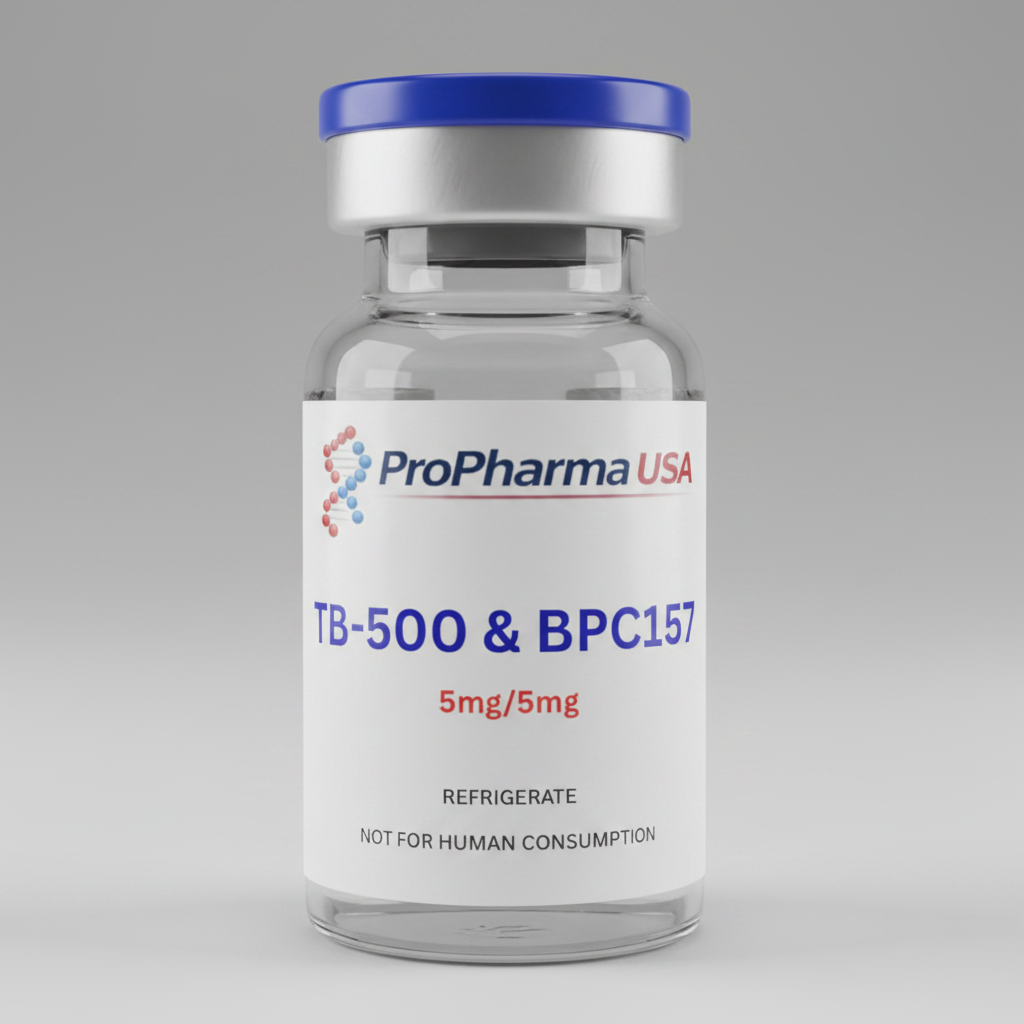
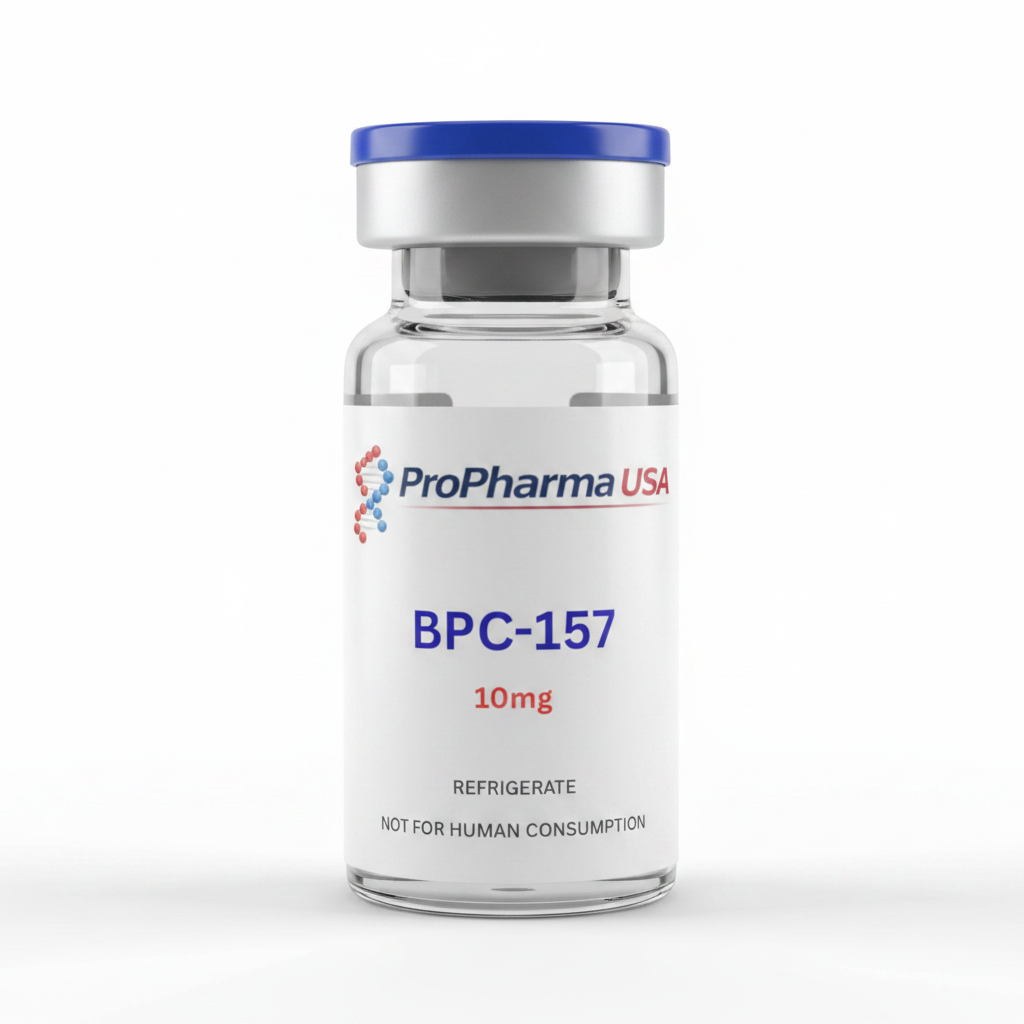
BPC-157: Effects Observed in Preclinical and Non-Human Clinical Testing
Overview BPC-157 (Body Protection Compound-157) is a pentadecapeptide derived from a gastric juice protein. Most published data come from in vitro studies and preclinical animal models (rodents, rabbits, dogs). There are few, if any, well-controlled human clinical trials published in peer-reviewed journals. The following summarizes effects reported in these non-human and preclinical studies, focusing on reproducible findings, proposed mechanisms, and limitations.
Primary reported effects
Tissue and wound healing
Accelerates healing of skin, muscle, tendon, ligament, and bone in multiple animal models.
Enhances angiogenesis (formation of new blood vessels) at injury sites, which supports tissue repair.
Promotes collagen deposition and organization, improving tensile strength of repaired tissues.
Facilitates re-epithelialization and reduced scar formation in some models.
Gastrointestinal protection and repair
Protects gastric and intestinal mucosa from ulcers, NSAID-induced damage, and experimentally induced colitis.
Reduces gastric lesion size and promotes mucosal regeneration.
Modulates gastric acid secretion in some models and stabilizes gut barrier integrity.
Anti-inflammatory effects
Reduces markers of inflammation (cytokines, edema) in injured tissues and inflammatory disease models.
Appears to shift local responses toward resolution of inflammation rather than broad systemic immunosuppression.
Angiogenesis and vascular effects
Stimulates angiogenesis via increased expression of vascular endothelial growth factor (VEGF) and other pro-angiogenic factors in injured areas.
Promotes endothelial cell survival and migration in vitro.
May influence nitric oxide (NO) signaling pathways, contributing to vascular protective effects.
Neuroprotective and nervous system effects
Demonstrates neuroprotective effects in models of traumatic brain injury, spinal cord injury, peripheral nerve crush, and neurotoxicity.
Enhances nerve regeneration, functional recovery, and remyelination in several peripheral nerve and central nervous system models.
Reduces neuronal apoptosis and oxidative stress markers in experimental paradigms.
Bone and cartilage effects
Improves bone healing and callus formation in fracture models.
Shows chondroprotective effects in some models of joint injury and osteoarthritis, with reduced cartilage degradation.
Tendon and ligament repair
Accelerates tendon and ligament recovery, increases collagen organization, and improves biomechanical properties in animal tendon injury models.
Organ protection (liver, kidney, heart)
Demonstrates protective effects against experimentally induced liver injury, reducing necrosis and improving biochemical markers.
Shows nephroprotective effects in some models of acute kidney injury.
Reduces infarct size and improves cardiac function in some myocardial ischemia models.
Metabolic and muscle effects
Some studies report improved muscle healing and reduced atrophy in disuse or injury models.
Limited evidence for systemic anabolic effects; most benefits are localized to injury sites.
Proposed mechanisms of action
Modulation of growth factor signaling (including VEGF and fibroblast growth factor pathways).
Interaction with the nitric oxide (NO) system, potentially balancing NO production to protect tissues and support angiogenesis.
Promotion of cell migration, proliferation, and survival via cytoprotective signaling pathways.
Stabilization of the extracellular matrix and promotion of organized collagen deposition.
Anti-apoptotic and antioxidant effects in damaged tissues.
Dosing, administration routes, and pharmacokinetics (from preclinical studies)
Administered systemically (intraperitoneal, subcutaneous, intravenous) or locally (intramuscular, topical, intra-articular) in animal studies.
Effective doses in rodents vary widely across studies; translation to human-equivalent dosing is not established.
Short peptide with presumed
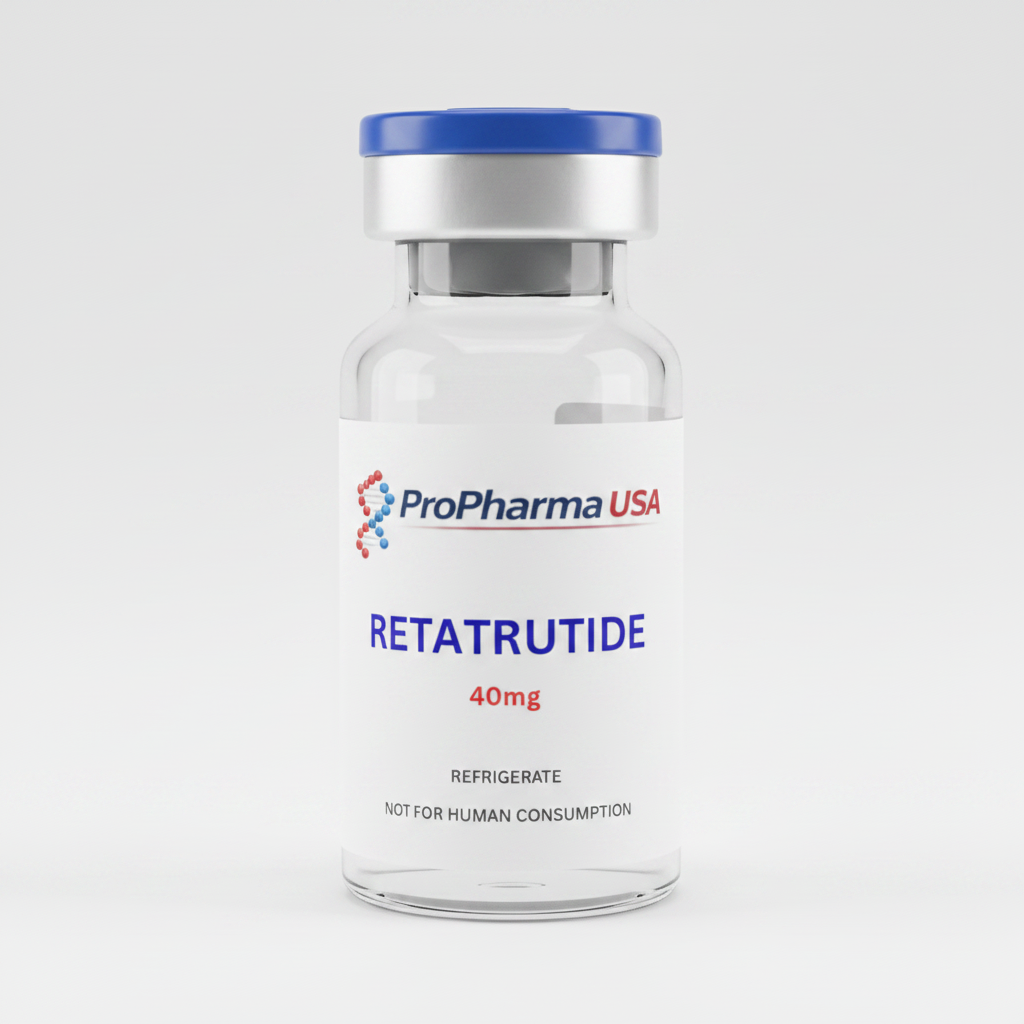
Retatrutide is an investigational, long-acting peptide therapeutic designed to treat obesity and related metabolic disorders by targeting multiple hormone receptors involved in energy balance, appetite regulation, and glucose metabolism. It is a multi-agonist that simultaneously activates the glucagon-like peptide-1 receptor (GLP-1R), the glucose-dependent insulinotropic polypeptide receptor (GIPR), and the glucagon receptor (GCGR). This tri-agonist approach aims to combine complementary metabolic effects to produce greater weight loss and metabolic improvement than single-receptor agonists.
Mechanism of action
GLP-1R agonism: Enhances glucose-dependent insulin secretion, suppresses glucagon release, slows gastric emptying, and reduces appetite by acting on central appetite centers. These effects improve glycemic control and contribute to reduced caloric intake.
GIPR agonism: May augment insulin secretion and modulate adipose tissue metabolism; when combined with GLP-1R activity, GIPR stimulation appears to enhance weight loss and metabolic efficacy in clinical studies.
GCGR agonism: Increases energy expenditure and promotes lipolysis and hepatic lipid metabolism. Controlled glucagon receptor activation can raise metabolic rate, which may complement appetite suppression to achieve greater net weight loss.
Pharmacology and formulation Retatrutide is a peptide-based molecule engineered for prolonged plasma exposure, allowing infrequent dosing (e.g., once weekly). Chemical modifications and carrier design improve stability against proteolytic degradation and enhance receptor selectivity and balanced tri-agonism. It is administered by subcutaneous injection.
Clinical effects observed (summary)
Significant, dose-dependent reductions in body weight in phase 2 clinical trials, with some regimens producing substantial mean percentage weight loss over several months.
Improvements in cardiometabolic markers including fasting glucose, HbA1c, insulin sensitivity, and reductions in waist circumference and some lipid parameters.
Early data suggest benefits for nonalcoholic fatty liver disease indicators and overall metabolic health, though larger and longer trials are needed for confirmation.
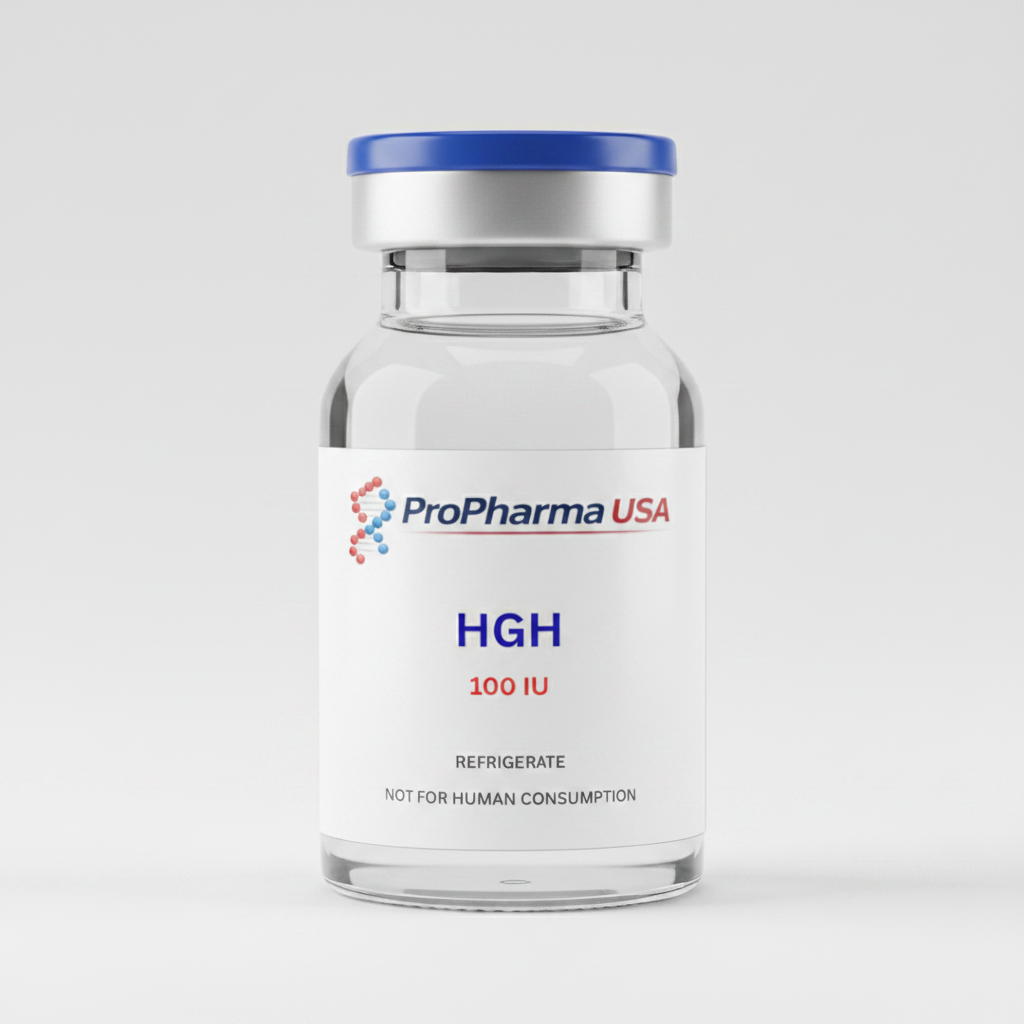
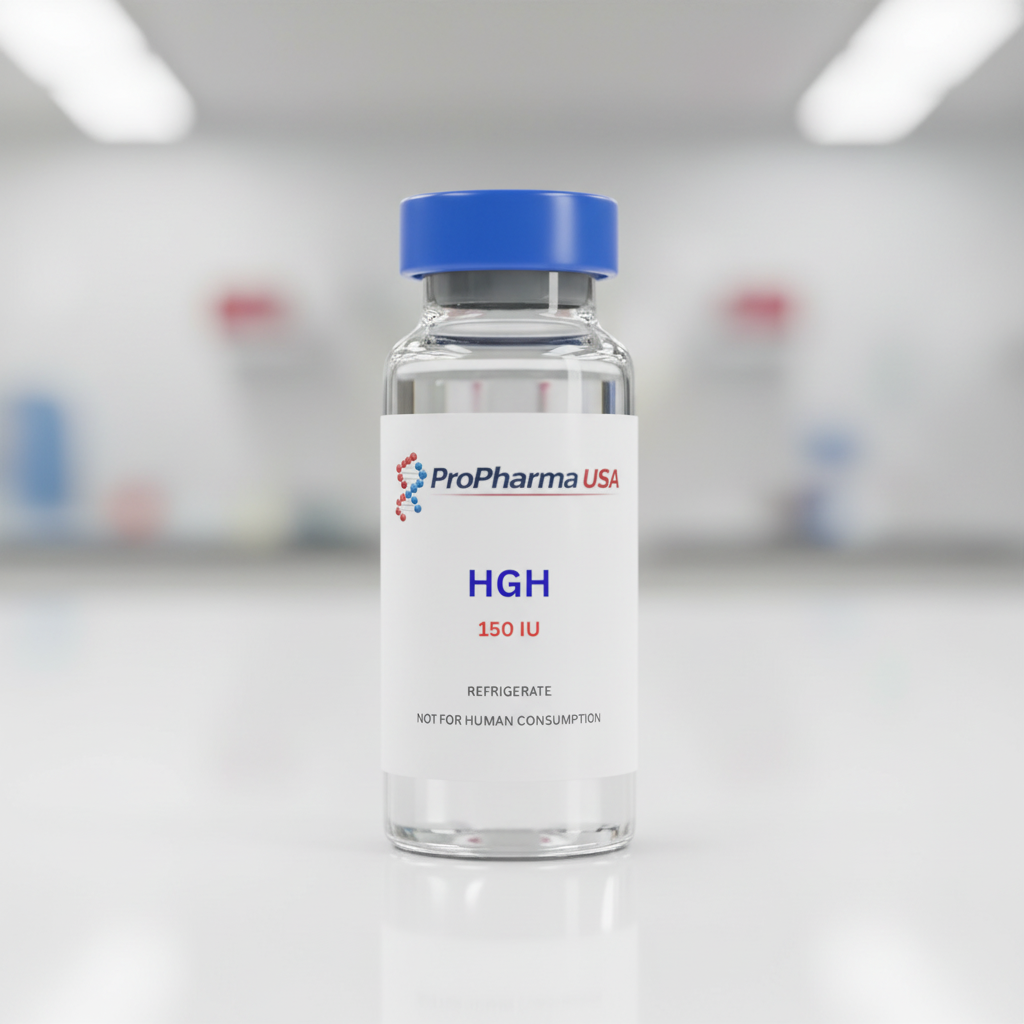
Somatropin — a recombinant human growth hormone (rhGH) — replaces or supplements endogenous growth hormone. It stimulates linear growth in children, increases muscle mass and bone density, and promotes lipolysis. Indications include pediatric growth hormone deficiency, Turner syndrome, chronic renal insufficiency-related short stature, Prader-Willi syndrome (with specific criteria), children born small for gestational age who fail to catch up, and adult growth hormone deficiency. Off-label and investigational uses include anti-aging, athletic performance enhancement, and cachexia treatment, but these are controversial and often illegal without prescription.
Pharmacology: Somatropin binds growth hormone receptors, activating JAK-STAT signaling and increasing insulin-like growth factor 1 (IGF-1) production, primarily from the liver; IGF-1 mediates many peripheral growth effects. It has anabolic and metabolic actions — promoting protein synthesis, reducing fat mass, and affecting carbohydrate metabolism (can induce insulin resistance).
Administration and dosing: Given by subcutaneous injection (occasionally intramuscular). Pediatric dosing is weight- or body-surface–based; adult replacement uses lower, individualized doses titrated to IGF-1 levels and clinical response. Treatment requires monitoring for efficacy and adverse effects.
Adverse effects and risks: Common — injection-site reactions, edema, joint and muscle pain, arthralgia, headache, and insulin resistance with hyperglycemia. Serious — intracranial hypertension (benign intracranial hypertension), slipped capital femoral epiphysis in growing children, exacerbation of scoliosis, potential increased intracranial tumor recurrence risk, and rare hypersensitivity. Contraindicated in active malignancy and acute critical illness. Use with caution in patients with diabetes, thyroid dysfunction, or predisposing conditions for increased intracranial pressure.
Monitoring and precautions: Baseline and periodic assessment of growth velocity (children), IGF-1, fasting glucose/HbA1c, thyroid function, and signs of intracranial hypertension. Adjust dose based on IGF-1 and side effects. Ensure no active malignancy before initiation.
Formulations and storage: Available as cartridges, vials, or prefilled pens for subcutaneous injection; different brands may have distinct dosing units. Requires refrigeration; follow manufacturer storage and handling instructions.
Regulatory and access notes: Prescription-only; dosing and indications vary by country and product. Nontherapeutic use is controlled and may be illegal in sports and some jurisdictions.
No results found
No results match your search. Try removing a few filters.