 Image 1 of 1
Somatropin — a recombinant human growth hormone (rhGH) — replaces or supplements endogenous growth hormone. It stimulates linear growth in children, increases muscle mass and bone density, and promotes lipolysis. Indications include pediatric growth hormone deficiency, Turner syndrome, chronic renal insufficiency-related short stature, Prader-Willi syndrome (with specific criteria), children born small for gestational age who fail to catch up, and adult growth hormone deficiency. Off-label and investigational uses include anti-aging, athletic performance enhancement, and cachexia treatment, but these are controversial and often illegal without prescription.
Pharmacology: Somatropin binds growth hormone receptors, activating JAK-STAT signaling and increasing insulin-like growth factor 1 (IGF-1) production, primarily from the liver; IGF-1 mediates many peripheral growth effects. It has anabolic and metabolic actions — promoting protein synthesis, reducing fat mass, and affecting carbohydrate metabolism (can induce insulin resistance).
Administration and dosing: Given by subcutaneous injection (occasionally intramuscular). Pediatric dosing is weight- or body-surface–based; adult replacement uses lower, individualized doses titrated to IGF-1 levels and clinical response. Treatment requires monitoring for efficacy and adverse effects.
Adverse effects and risks: Common — injection-site reactions, edema, joint and muscle pain, arthralgia, headache, and insulin resistance with hyperglycemia. Serious — intracranial hypertension (benign intracranial hypertension), slipped capital femoral epiphysis in growing children, exacerbation of scoliosis, potential increased intracranial tumor recurrence risk, and rare hypersensitivity. Contraindicated in active malignancy and acute critical illness. Use with caution in patients with diabetes, thyroid dysfunction, or predisposing conditions for increased intracranial pressure.
Monitoring and precautions: Baseline and periodic assessment of growth velocity (children), IGF-1, fasting glucose/HbA1c, thyroid function, and signs of intracranial hypertension. Adjust dose based on IGF-1 and side effects. Ensure no active malignancy before initiation.
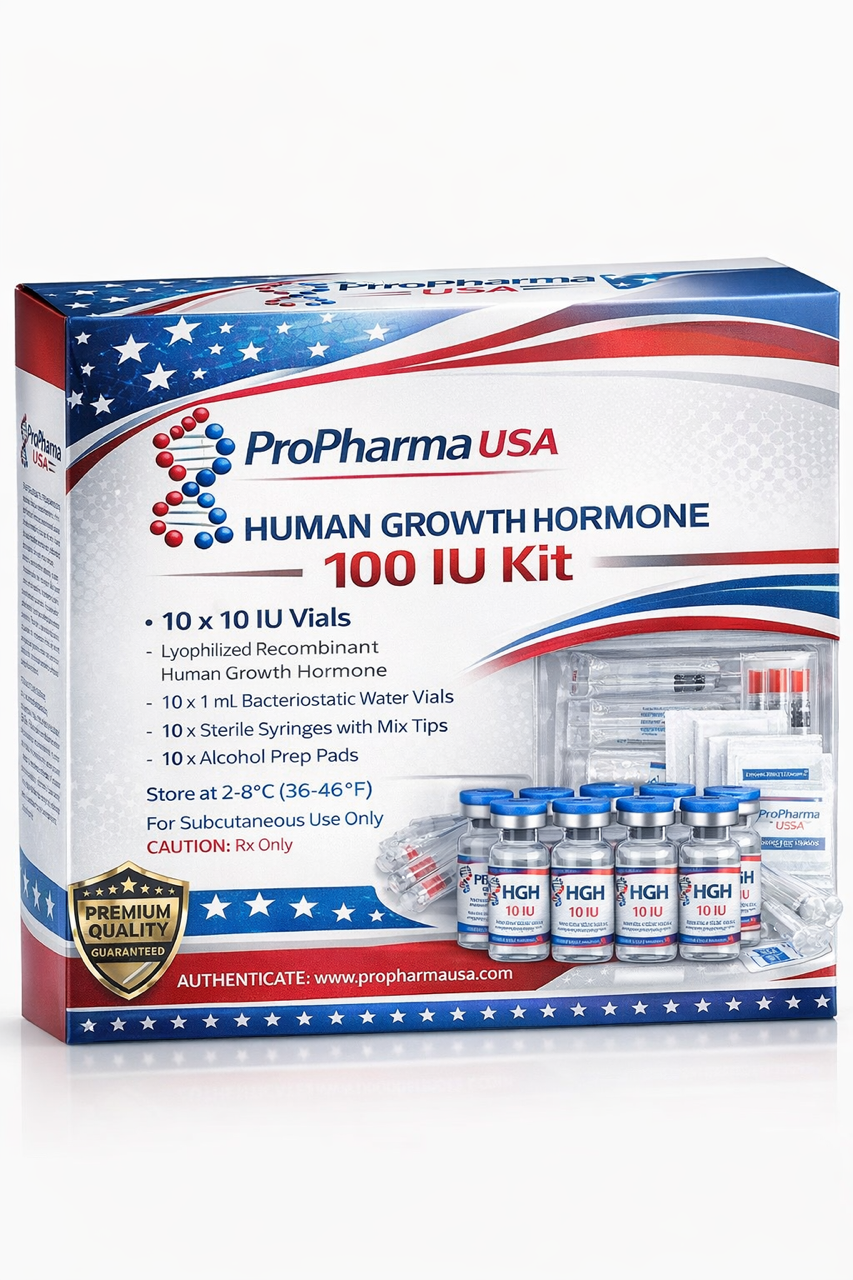
Formulations and storage: Available as cartridges, vials, or prefilled pens for subcutaneous injection; different brands may have distinct dosing units. Requires refrigeration; follow manufacturer storage and handling instructions.
Regulatory and access notes: Prescription-only; dosing and indications vary by country and product. Nontherapeutic use is controlled and may be illegal in sports and some jurisdictions.
Somatropin — a recombinant human growth hormone (rhGH) — replaces or supplements endogenous growth hormone. It stimulates linear growth in children, increases muscle mass and bone density, and promotes lipolysis. Indications include pediatric growth hormone deficiency, Turner syndrome, chronic renal insufficiency-related short stature, Prader-Willi syndrome (with specific criteria), children born small for gestational age who fail to catch up, and adult growth hormone deficiency. Off-label and investigational uses include anti-aging, athletic performance enhancement, and cachexia treatment, but these are controversial and often illegal without prescription.
Pharmacology: Somatropin binds growth hormone receptors, activating JAK-STAT signaling and increasing insulin-like growth factor 1 (IGF-1) production, primarily from the liver; IGF-1 mediates many peripheral growth effects. It has anabolic and metabolic actions — promoting protein synthesis, reducing fat mass, and affecting carbohydrate metabolism (can induce insulin resistance).
Administration and dosing: Given by subcutaneous injection (occasionally intramuscular). Pediatric dosing is weight- or body-surface–based; adult replacement uses lower, individualized doses titrated to IGF-1 levels and clinical response. Treatment requires monitoring for efficacy and adverse effects.
Adverse effects and risks: Common — injection-site reactions, edema, joint and muscle pain, arthralgia, headache, and insulin resistance with hyperglycemia. Serious — intracranial hypertension (benign intracranial hypertension), slipped capital femoral epiphysis in growing children, exacerbation of scoliosis, potential increased intracranial tumor recurrence risk, and rare hypersensitivity. Contraindicated in active malignancy and acute critical illness. Use with caution in patients with diabetes, thyroid dysfunction, or predisposing conditions for increased intracranial pressure.
Monitoring and precautions: Baseline and periodic assessment of growth velocity (children), IGF-1, fasting glucose/HbA1c, thyroid function, and signs of intracranial hypertension. Adjust dose based on IGF-1 and side effects. Ensure no active malignancy before initiation.
Formulations and storage: Available as cartridges, vials, or prefilled pens for subcutaneous injection; different brands may have distinct dosing units. Requires refrigeration; follow manufacturer storage and handling instructions.
Regulatory and access notes: Prescription-only; dosing and indications vary by country and product. Nontherapeutic use is controlled and may be illegal in sports and some jurisdictions.