 Image 1 of 1
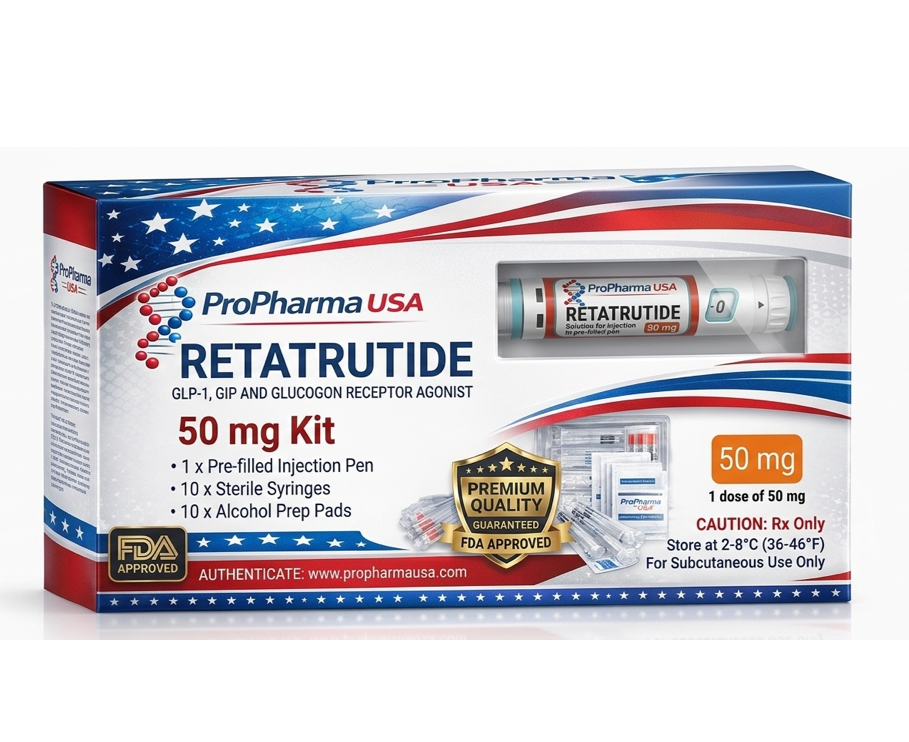
Retatrutide is an investigational, long-acting peptide therapeutic designed to treat obesity and related metabolic disorders by targeting multiple hormone receptors involved in energy balance, appetite regulation, and glucose metabolism. It is a multi-agonist that simultaneously activates the glucagon-like peptide-1 receptor (GLP-1R), the glucose-dependent insulinotropic polypeptide receptor (GIPR), and the glucagon receptor (GCGR). This tri-agonist approach aims to combine complementary metabolic effects to produce greater weight loss and metabolic improvement than single-receptor agonists.
Mechanism of action
GLP-1R agonism: Enhances glucose-dependent insulin secretion, suppresses glucagon release, slows gastric emptying, and reduces appetite by acting on central appetite centers. These effects improve glycemic control and contribute to reduced caloric intake.
GIPR agonism: May augment insulin secretion and modulate adipose tissue metabolism; when combined with GLP-1R activity, GIPR stimulation appears to enhance weight loss and metabolic efficacy in clinical studies.
GCGR agonism: Increases energy expenditure and promotes lipolysis and hepatic lipid metabolism. Controlled glucagon receptor activation can raise metabolic rate, which may complement appetite suppression to achieve greater net weight loss.
Pharmacology and formulation Retatrutide is a peptide-based molecule engineered for prolonged plasma exposure, allowing infrequent dosing (e.g., once weekly). Chemical modifications and carrier design improve stability against proteolytic degradation and enhance receptor selectivity and balanced tri-agonism. It is administered by subcutaneous injection.
Clinical effects observed (summary)
Significant, dose-dependent reductions in body weight in phase 2 clinical trials, with some regimens producing substantial mean percentage weight loss over several months.
Improvements in cardiometabolic markers including fasting glucose, HbA1c, insulin sensitivity, and reductions in waist circumference and some lipid parameters.
Early data suggest benefits for nonalcoholic fatty liver disease indicators and overall metabolic health, though larger and longer trials are needed for confirmation.
Retatrutide is an investigational, long-acting peptide therapeutic designed to treat obesity and related metabolic disorders by targeting multiple hormone receptors involved in energy balance, appetite regulation, and glucose metabolism. It is a multi-agonist that simultaneously activates the glucagon-like peptide-1 receptor (GLP-1R), the glucose-dependent insulinotropic polypeptide receptor (GIPR), and the glucagon receptor (GCGR). This tri-agonist approach aims to combine complementary metabolic effects to produce greater weight loss and metabolic improvement than single-receptor agonists.
Mechanism of action
GLP-1R agonism: Enhances glucose-dependent insulin secretion, suppresses glucagon release, slows gastric emptying, and reduces appetite by acting on central appetite centers. These effects improve glycemic control and contribute to reduced caloric intake.
GIPR agonism: May augment insulin secretion and modulate adipose tissue metabolism; when combined with GLP-1R activity, GIPR stimulation appears to enhance weight loss and metabolic efficacy in clinical studies.
GCGR agonism: Increases energy expenditure and promotes lipolysis and hepatic lipid metabolism. Controlled glucagon receptor activation can raise metabolic rate, which may complement appetite suppression to achieve greater net weight loss.
Pharmacology and formulation Retatrutide is a peptide-based molecule engineered for prolonged plasma exposure, allowing infrequent dosing (e.g., once weekly). Chemical modifications and carrier design improve stability against proteolytic degradation and enhance receptor selectivity and balanced tri-agonism. It is administered by subcutaneous injection.
Clinical effects observed (summary)
Significant, dose-dependent reductions in body weight in phase 2 clinical trials, with some regimens producing substantial mean percentage weight loss over several months.
Improvements in cardiometabolic markers including fasting glucose, HbA1c, insulin sensitivity, and reductions in waist circumference and some lipid parameters.
Early data suggest benefits for nonalcoholic fatty liver disease indicators and overall metabolic health, though larger and longer trials are needed for confirmation.